
The TL;DR (For the Parent Staring at a Toy Shelf Like it's the Void)
- The Core Conflict: Model 01-0032 swaps out the vintage 1974 Nippon Animation anime vibes we grew up with for the modern 2015 Studio 100 CGI animated series audio layout. It is a total surprise for millennial parents expecting old-school nostalgia.
- The Audio Blueprint: A 60-minute alpine adventure broken down into 13 tracks. It features an upbeat pop-folk introduction track by Austrian star Andreas Gabalier and incredible voice work by the late, great Helmut Krauss.
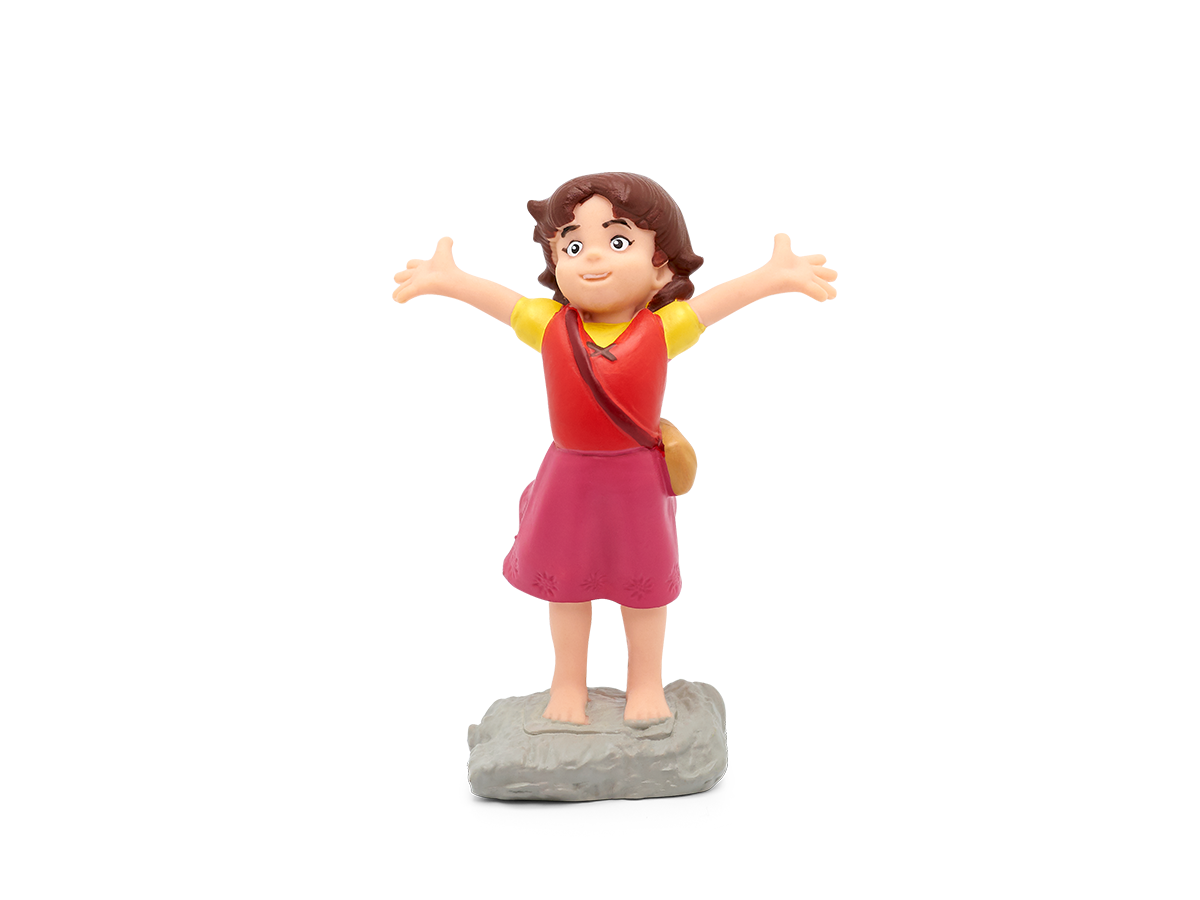
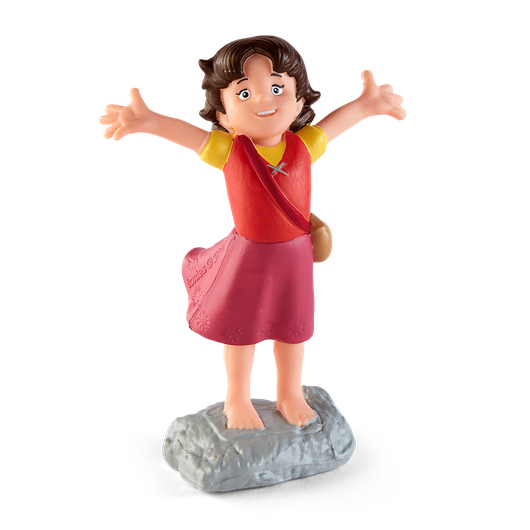
- The Physical Spec: A bright, barefoot little figurine standing on a rugged grey rock base with wide-open arms. She actually requires a slightly wider physical footprint on your magnetic storage shelves.
The Quest Log
- Main Story Campaigns
- The Alpine Disconnect: Studio 100's CGI Audio vs. The 1974 Nostalgia Trap
- Vocal Friction: Balancing Helmut Krauss's Gruff Alm-Öhi with Bright 3D Aesthetics
- Audio Epics: How a Continuous 60-Minute Mountain Narrative Trains Toddler Attention Spans
- Bonus Content
- Side Quest: Visualizing the Barefoot Mountain Sculpt Architecture
The Alpine Disconnect: Studio 100's CGI Audio vs. The 1974 Nostalgia Trap
Grab your coffee, friend, because we need to talk about the ultimate nostalgia trap hiding on the toy shelf. If you are a millennial parent who spent your childhood daydreaming about running through hand-drawn alpine meadows thanks to the classic 1974 Nippon Animation series, putting this specific character onto your kid's speaker cube is going to give you major whiplash. You think you are buying a ticket back to your own youth, but the second the audio starts, you realize you have been hit with a clever media crossover. Instead of those vintage, airy yodeling tracks that lived rent-free in our heads, the audio track comes straight from the 2015 Studio 100 CGI animated revival. The introduction kicks off with a high-energy, pop-folk theme song by Austrian artist Andreas Gabalier. For a parent looking for pure retro comfort, this acoustic swerve feels like booting up what you think is a classic pixel-art retro roleplaying game, only to find out it is a glossy high-definition remake with a modern electronic soundtrack. Talk about rolling a natural 1 on your nostalgia check.
Tonies
This whole setup shows a pretty fascinating strategy in how kids' physical media gets distributed these days. By wrapping a modern digital television asset inside a beautifully tactile, collectible little figurine, the masterminds behind it bridge a massive multi-generational gap. Let's be real, our kids do not carry the emotional baggage of legacy animation styles. They do not care about cell shading or vintage film grain. They just see a bright, smiling mountain explorer, while we parents get drawn in by the historical weight of the franchise name. This specific mix creates a funny dynamic on the playroom floor. The tiny human gets to enjoy contemporary, fast-paced vocal delivery, while the adult handles a character that occupies prime emotional real estate from their own childhood. It is a brilliant bit of marketing design. It uses parental memories to introduce updated corporate assets to a whole new generation. The audio layout, officially titled Heidi: Die Reise zum Großvater (Heidi: The Journey to the Grandfather), acts as the perfect gateway to this updated cartoon universe.
Side Quest: Visualizing the Barefoot Mountain Sculpt Architecture
From a pure mini-model design perspective, this little plastic hero presents a unique physical footprint. The character stands completely bare-footed on a textured grey rock base, her arms slung wide open to the sides like she is trying to hug the entire mountain range. While it looks adorable, that open posture gives her an unusually wide physical profile for a kids' audio toy. If you are trying to line up your collection on a standard magnetic display shelf, those outstretched arms act exactly like an oversized horizontal collision box in a video game. This figure requires a clear perimeter so she does not constantly bump into adjacent figures and knock Peter or Josef right off the ledge.
The way they built that grey rock base is actually a clever piece of manufacturing engineering. Anyone who has ever dabbled in 3D printing, custom model casting, or miniature painting knows that throwing a character's arms all the way out raises the center of gravity and leaves thin plastic limbs super vulnerable to shear stress. If a toddler pulls a classic chaotic move and drops the figure onto a hardwood floor, those extended arms act like tiny levers, snapping clean off at the shoulder joints. To beat those pesky laws of physics, the designers anchored her feet to a heavy, solid, stone-textured base. This base houses the internal magnetic hardware, dropping the entire center of mass down to the absolute lowest point of the sculpt. The end result is a highly stable miniature that easily resists tipping over when a kid accidentally thumps the speaker box. Plus, the choice to show her running around bare-footed adds an authentic, sensory touch that grounds the plastic figure in its high-altitude home, perfectly matching the rugged mountain tone of the stories.
Vocal Friction and Audio Epics: Balancing Gruff Tones and Focus Training
Once you get past that energetic pop-folk intro song, the acoustic landscape shifts gears completely, giving us a fantastic auditory contrast. The late, great Helmut Krauss lends his iconic voice to the grandfather, the legendary Alm-Öhi. Krauss had a deep, gravelly, baritone vocal profile that sounds like grinding tectonic plates or a high-level raid boss waking up from a centuries-old nap. It is a magnificent piece of vocal casting, but it stands in direct opposition to the bright, clean, smiling visual aesthetic of the plastic model itself. When you blast that bass-heavy voice through a tiny three-watt mono speaker, it really tests the internal equalization system of the hardware. Tiny speakers notoriously struggle with deep low-end frequencies, usually turning rich baritone voices into muddy, crunchy static. Fortunately, the sound engineers avoided that trap by carefully carving out room in the mid-range frequencies. They ensured that the grandfather's gruff dialogue stays incredibly crisp without blowing out the speaker cone. This vocal friction provides an excellent sensory anchor for little ears. The deep, rumbling tones of the grandfather contrast beautifully with the higher, energetic pitch of Heidi, letting toddlers instantly tell who is talking without needing a screen to guide them.
MediaMarkt
Beyond the audio mechanics, the long-form format of this release is a fantastic tool for cognitive development. The narrative runs continuously for a full 60 minutes, providing a slow-paced, atmospheric journey that stands in stark contrast to the rapid-fire dopamine hits of modern tablets and streaming apps. In an era where kids' media is literally engineered to maximize eye-blink frequencies and breakneck screen-switching speeds, a sustained audio track about quiet mountain life feels like a peaceful mental buffer zone. The story forces kids to build the environment inside their own minds, transforming them from passive consumers of glowing glass into active creators of their own imaginative worlds. Listening to a lengthy tale about climbing rocky paths, tending to goats, and adjusting to a quiet cabin lifestyle helps the developing brain slow down and practice sustained focus. It teaches kids how to appreciate long-form storytelling, building up the foundational attention endurance they will need later for reading complex books and tackling big problem-solving tasks.
The Exit Interview
- Golden Nugget: This release uses parental nostalgia for a classic alpine story to introduce kids to a modern, beautifully engineered audio adaptation, balancing a bright visual sculpt with deep, rich vocal performances that hold a child's attention without screen stimulation.
- Rapid Fire FAQ:
- Does this figure feature the original theme song from the seventies? No, it opens with a modern pop-folk theme song by Andreas Gabalier from the 2015 CGI television series.
- How much space does this figurine take up on a shelf? Due to the wide, outstretched arms, it has a larger physical profile than standard upright characters and needs a bit of breathing room.
- Next Step: Pop this figurine onto the speaker cube during afternoon quiet time. Let your child color or build with blocks while the deep, calming voice of Helmut Krauss fills the room, turning high-energy playtime into a focused, screen-free decompression session.
Disclaimer: Our goal is absolute technical accuracy, but we are human and bugs happen in the code. We never intend to offend, insult, or attack anyone with our content. If you spot a bad data point or a broken fact, please report the post so we can patch it immediately. We are just a three-person squad running this site, managing the daily blog, and prepping the new forums. If you appreciate the grind and want to help us keep the lights on, consider buying us a coffee. It keeps our caffeine levels critical and the servers running.
Reference Log
- Official Tonies Shop: Heidi - Die Reise zum Großvater
- Müller Product Page: Tonies Hörfigur Heidi - Die Reise zum Großvater
- MediaMarkt Product Page: Boxine Tonie-Figur Heidi