
The TL;DR (For the Caffeinated Language Immersion Parent)
- Model Number 01-0021: This specific audio figure marks the exact moment the platform broke away from predictable fairy tales and corporate properties to capture the authentic German indie-pop movement.
- December 2016 Drop: This physical figure brought the critical acclaim of the 2015 Oetinger Media compilation to an unbreakable, screen-free hardware format perfect for chaotic toddler playrooms.
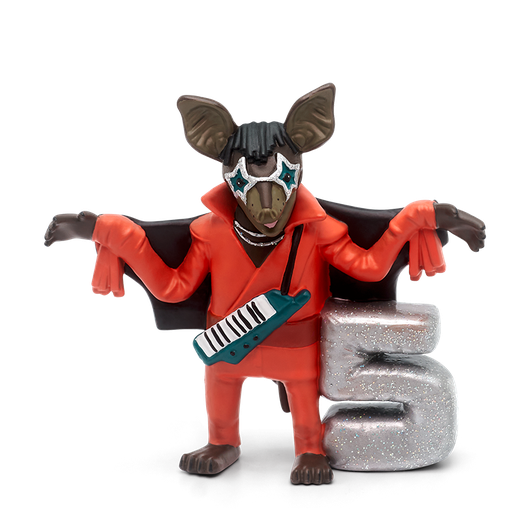
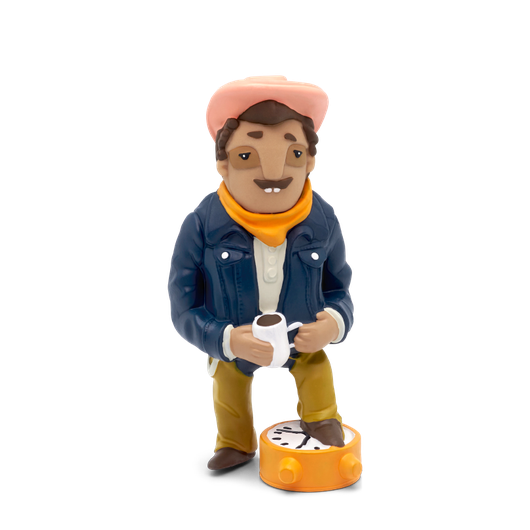
- From Puppet to Polymer: The figure is a direct 3D sculpt translation of Jules Wenzel's iconic hand-sewn cover art puppet, creating a high-demand collector piece for global expat households.
The Quest Log
- The Indie-Pop Infiltration: Redefining Modern Family Audio
- Fabric to Plastic: Preserving the Jules Wenzel Puppet Aesthetic Without the Tech Bloat
- The Transatlantic Expat Craze: How German Indie-Pop Conquered US Immersion Households
The Indie-Pop Infiltration: Redefining Modern Family Audio
Let's talk about the absolute gridlock that was the German family audio ecosystem for decades. For the longest time, parents were trapped in a highly repetitive loop. Your options were either classic, decades-old radio plays that you had already memorized by heart, or hyper-commercialized corporate jingles designed to run on a relentless cycle until adults completely lost their sanity.
When the compilation Unter meinem Bett (Under My Bed) made its physical jump into the audio ecosystem, it completely disrupted the established demographic. Instead of pitch-corrected studio vocalists singing about rainbows in a sterile environment, this release deployed actual indie rock and pop musicians. We are talking about established artists who usually headline late-night festival stages, stepping up to the microphone to sing directly to children without an ounce of condescension.
Before this specific release landed on the platform, the audio landscape for young listeners was heavily partitioned. Parents were forced to make a constant compromise between nostalgic audio dramas or grating, high-pitched kid tunes that wore out their welcome within minutes of playback. When the compilation tracks were originally put together, the creators caught lightning in a bottle by asking indie artists to write songs from an authentic child's perspective without losing their signature musical styles.
Bringing that compilation into the physical figure ecosystem in December 2016 was a stroke of genius for the brand's long-term strategy. This specific release features prominent cultural contributions, including Olli Schulz with the quirky narrative track "Theme from Kommissar Ärmchen" (Inspector Little-Arm), and the late Nils Koppruch delivering the definitive title anthem "Under My Bed." It treated the target audience like genuine music lovers who can appreciate clean acoustic instrumentation, subtle basslines, and authentic vocal deliveries. It transformed the hardware platform from a basic toddler toy into a legitimate, culturally relevant media player that older siblings and parents actually wanted running in the shared living room space. It is the exact acoustic equivalent of upgrading your tabletop gaming party from a basic starter set to a fully customized homebrew campaign with complex narrative arcs.
Side Quest: Fabric to Plastic: Preserving the Jules Wenzel Puppet Aesthetic Without the Tech Bloat
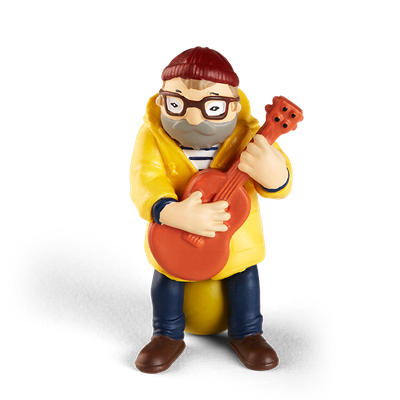
From a pure physical design perspective, capturing the spirit of a character that originated as a tactile, hand-sewn art piece is an exceptional manufacturing challenge. The visual inspiration for this guitar-playing character comes straight from the fabric puppet illustrated by Jules Wenzel for the original album cover. When you are translating a soft, textured fabric design into a hard, injection-molded polymer, it is incredibly easy to lose the soul of the original creation. Think of it like trying to convert a complex, organic clay sculpt into a low-poly 3D print without adjusting your slicing parameters: the nuances usually get completely flattened out. Like adjusting the bridge on a temperamental violin, finding the sweet spot where artistic intent meets mechanical durability takes precise execution.
The industrial designers managed to retain that distinct, homemade warmth by focusing on clean, stylized geometry and a matte surface finish that mimics the look of a premium designer vinyl art toy. The thick rims of the glasses, the molded lines of the red knit beanie, and the shape of the yellow raincoat all preserve that analog, hand-crafted charm without adding unnecessary mechanical clutter. There are no fragile articulation joints to snap or loose limbs to break off during a high-velocity playroom drop.
By integrating the acoustic guitar directly into the torso as a reinforced structural brace, the figure functions as a solid, high-durability unit. When you handle the figure, the weight distribution reveals how the manufacturing team compensated for the seated pose. In a typical standing figure, the magnetic base has a direct, vertical alignment with the center of gravity. For a character sitting on an abstract round object while holding an acoustic guitar, the center of mass shifts slightly forward.
To keep the figure firmly anchored to the top of the audio cube when a child delivers a sharp slap to skip a track, the internal magnet had to be positioned with immense precision within the lower mold. The plastic choice is also notable: using high-grade thermoplastic elastomers allows the figure to feel substantial in a child's hand while retaining enough elasticity to absorb kinetic energy from a hard drop onto a hardwood floor. It is the same material philosophy used for selecting durable filaments for functional 3D prints that need to survive actual workshop use. The lack of painted details that can chip away over time further enhances its longevity, as the colors are baked directly into the plastic compounds during the injection process.
The Transatlantic Expat Craze: How German Indie-Pop Conquered US Immersion Households
While the figure was engineered with a strict focus on the German-speaking domestic market, its ultimate cultural footprint expanded far beyond European borders. Across the Atlantic, an aggressive secondary market emerged in the United States, driven by a highly specific demographic: bilingual families and language immersion households. For parents striving to maintain language fluency in an environment dominated entirely by English media, finding audio content that children will actually tolerate on a long car commute is an uphill battle. Standard educational tracks are often dry, rigid, and completely devoid of modern cultural relevance.
This guitar-playing figure became an absolute cult favorite because the music is genuinely excellent pop, providing an authentic immersion experience that exposes kids to natural phrasing, modern slang, and contemporary instrumentation. It feels like uncovering a legendary, hidden loot drop that completely outclasses everything else in your inventory.
The word-of-mouth growth within international parenting groups on social media platforms has been a major catalyst for this transatlantic migration. Parents living across the United States share curated playlists and recommendations for language acquisition, and this specific guitar player constantly tops the list for children who are moving past simple nursery rhymes. As children grow, they demand music that matches their evolving cognitive complexity. The clever lyrics, dealing with everything from monsters under the bed to the simple joy of doing absolutely nothing, resonate with older kids who are building their vocabulary.
Because these items are not distributed through standard North American retail channels, tracking down a clean standalone copy or the rare boxed sets requires serious digital scavenging. This scarcity has turned the figure into a high-premium collector item on domestic auction sites, where bilingual parents willingly pay double or triple the original European retail price. The secondary market premium is a direct reflection of the absolute utility this figure provides to families desperate for screen-free immersion tools. Watching a niche indie music project gain a passionate collector base in American playrooms is proof that authentic art crosses borders effortlessly when paired with intuitive, child-friendly hardware.
The Exit Interview
Golden Nugget
This guitar-playing figure proved that children's audio platforms can thrive on genuine indie-pop culture, establishing a lucrative transatlantic collector market driven by language-immersion families.
Rapid Fire FAQ
- What album does this physical figure play?
- It triggers the compilation album Under My Bed (Unter meinem Bett 1), which features various prominent German indie and rock musicians performing original tracks for kids.
- Who designed the original character appearance?
- The sculpture is a direct physical translation of the hand-sewn textile puppet created by illustrator Jules Wenzel for the album art.
Next Step
Check your local secondary marketplaces and import boards; if you have a bilingual household, hunting down this specific acoustic compilation will instantly upgrade your audio library from repetitive nursery rhymes to legitimate indie-pop credentials.
Disclaimer
Our goal is absolute technical accuracy, but we are human and bugs happen in the code. We never intend to offend, insult, or attack anyone with our content. If you spot a bad data point or a broken fact, please report the post so we can patch it immediately. We are just a three-person squad running this site, managing the daily blog, and prepping the new forums. If you appreciate the grind and want to help us keep the lights on, consider buying us a coffee. It keeps our caffeine levels critical and the servers running.
Reference Log
- Official Product Page: Tonies Germany - Unter meinem Bett
- Cultural Background: Wikipedia - Unter meinem Bett
- Community Collector Database: Tonies Club - Unter meinem Bett 1
- Secondary Market Reference: eBay Listing - Unter meinem Bett Tonie
- Visual/Audio Preview: YouTube - Unter meinem Bett Track Showcase