
The TL;DR (For the Caffeinated Parent with a Growing NFC Addiction)
- The Core Asset: Model 01-0030 arrived as a major expansion pack for the Kiddinx media empire on this audio ecosystem. It proved that long-form audio plays featuring a full voice cast could rule screen-free playtime.
- The Technical Fit: Squeezing a massive 77 minute audio drama onto a tiny collectible figurine required some serious file-shrinking wizardry. Think of it like compressing a massive game patch to fit on a classic retro memory card. The engineering team utilized an optimized mono Ogg Opus stream to make sure it fit perfectly within the local memory limits.
- The Variant Playbook: This specific launch laid down the foundational rules for character variants. It proved kids would happily collect a different version of their favorite spellcaster as long as the physical toy sculpt was fresh and paired with a completely unique audio track.
The Quest Log
- The Magic-Wielder Returns: Expanding the Neustadt Universe
- Side Quest: The Opus Codec Architecture: Packing 77 Minutes of Audio Drama Into Memory
- The Variant Metagame: Leveraging Kiddinx IP to Teach Kids the Rules of Collecting
The Magic-Wielder Returns: Expanding the Neustadt Universe
When this audio platform first rolled out its specialized hardware layout, it faced a classic cold start problem. It was like launching a brilliant new MMORPG with totally empty starter zones. Parents needed a solid reason to pull the plug on their perfectly functional CD players and scratch-prone magnetic cassette tapes for a soft, foam-covered audio cube. The secret weapon lay in the structural depth of existing intellectual properties that had dominated Central European childhoods for decades. By securing the rights to the sprawling universe of Neustadt, the creators tapped into a rich reservoir of generational nostalgia. Bringing Bibi Blocksberg: Die große Hexenparty (Bibi Blocksberg: The Great Witch Party) to the platform marked a critical transition point from simple, single-narrator audiobooks to complex, highly produced multi-cast audio dramas.
An audio drama functions completely differently than a standard book read aloud by a single narrator. It acts more like a chaotic Dungeons and Dragons session or a classic theatrical production. You have multiple voice actors bouncing lines off each other, environmental sound effects simulating the surroundings, and musical breaks to punctuate narrative beats. For a small child, sorting through that acoustic world takes some serious cognitive processing power. When you blast a multi-cast recording through a modest three-watt mono speaker, the acoustic challenges multiply. If the final audio mix is a muddy mess, the dialogue gets buried under the background background noise, leaving your little listener completely confused. It feels less like a cozy bedtime story and more like a chaotic 40-man raid night in World of Warcraft where everyone is shouting over each other in Discord at the exact same time.
This specific Bibi release brought a legendary 77 minute block of storytelling to the table, marking the historic 100th episode milestone of the classic German series. The narrative centers around a massive gathering of witches, introducing a ton of high-pitched voices, overlapping chatter, and chaotic spellcasting sound effects. To make this work without turning the acoustic output into a wall of white noise, sound designers had to meticulously balance the mid-range frequencies. Think of it like dialing in your favorite audiophile vinyl setup or leveling a 3D printer bed: if your baseline parameters are off by even a minor fraction, the entire project fails. The engineering team applied aggressive dynamic range compression so whispers stayed crisp and audible while massive magical explosions did not blow out the hardware volume limits or cause the plastic housing to vibrate uncomfortably.
This launch proved to the market that the physical cube was not just a vehicle for short, simple bedtime stories. It could act as a robust distribution channel for long-form, complex media properties, bridging the gap between old-school analog media habits and local digital file delivery. It allowed kids to engage with rich acoustic environments without a single pixelated screen tracking their eye movements.
Side Quest: The Opus Codec Architecture: Packing 77 Minutes of Audio Drama Into Memory
From a low-level hardware perspective, storing over an hour of high-density audio play content on a localized embedded system requires the storage efficiency of a perfectly organized inventory bag. Early production runs of the hardware platform operated under strict memory constraints. While the system firmware handles the core operating system, the downloaded audio files are actually written directly to an internal SD card tucked inside the cube's chassis. When a child drops a figurine onto the capacitive pad, the system reads the embedded Near Field Communication chip, checks the localized cache on the storage card, and either pulls down the file from the cloud or plays it directly from local memory.
To prevent endless buffering loops and keep the user experience completely fluid, the audio data must be packed tightly. The platform achieves this by utilizing a specialized file wrapper known as the Tonie Audio File format, which encapsulates a highly efficient Ogg Opus bitstream compressed into tight 4k blocks.
Toniebox Hacking
The audio processing and playback sequence follows a strict hardware pipeline:
- Physical Proximity Trigger
- The capacitive base sensor detects the unique internal RFID chip embedded within the base of the plastic figure.
- Local Memory Audit
- The Linux-based operating system scans the internal SD card storage cache partition for a matching audio binary wrapper.
- Path A (Cache Hit): The system decrypts the local binary block and extracts the mono Ogg Opus bitstream immediately.
- Path B (Cache Miss): The internal Wi-Fi module initializes a handshake with the cloud server over the 2.4 GHz network, downloads the 77 minute payload, writes it directly to the internal SD card storage, and triggers immediate playback.
- Acoustic Digital-to-Analog Processing
- The software routes the raw audio streams through the digital-to-analog converter at a fixed frequency, pushing clear vocals straight to the mono driver.
The audio processing pipeline follows a rigorous methodology to ensure maximum compatibility with the internal hardware architecture:
- Stereo to Mono Downmixing
- The original studio masters for the witch gathering storyline were recorded in full stereo, utilizing panning techniques to position different characters across left and right channels. The platform pipeline flattens this spatial distribution into a single mono track, ensuring that no directional vocal lines are lost when routed through the single speaker.
- Frequency Sampling Capping
- High-fidelity music tracking benefits from 44.1 kilohertz or 48 kilohertz sampling rates, but human speech can be aggressively downsampled without losing its core intelligibility. The audio tracks are capped at lower sample rates, stripping away unnecessary high-frequency data that exceeds the physical response capabilities of the internal driver.
- Dynamic Range Compression
- To prevent sudden volume spikes during chaotic magical spells, a strict brickwall limiter is applied to the digital master. This compression matches the specific resonant frequency of the structural enclosure, preventing case rattling and preserving clear vocal lines even at maximum volume levels.
By minimizing the data footprint through this specialized audio pipeline, the system ensures that long-form audio dramas stream flawlessly even on subpar home internet connections. It caches the data quickly so the playback remains completely uninterrupted when the toy is taken outdoors, far away from any active Wi-Fi connection.
The Variant Metagame: Leveraging Kiddinx IP to Teach Kids the Rules of Collecting
The deployment of this specific figure solved a massive commercial riddle for the platform: how do you convince a household to buy multiple figurines of the exact same character? In traditional toy manufacturing, releasing an identical character model with minor cosmetic variations can alienate consumers. However, by treating physical figurines as tangible software keys for unique stories, the brand turned character iteration into an engaging collection system. Think of it like hunting for regional variants or special forms of your favorite pocket monster: it is the ultimate real-world variant metagame.
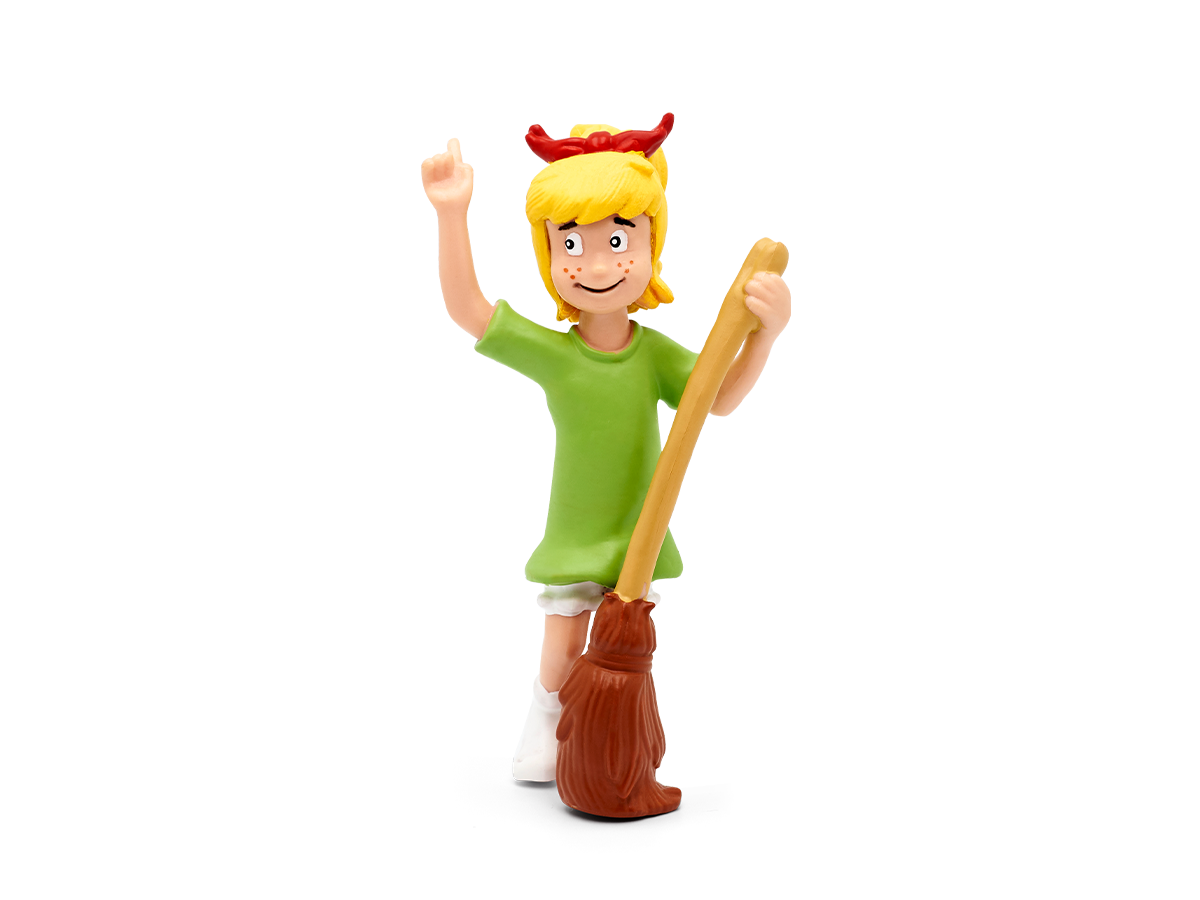
Parents already understood the basic mechanics of buying episodic content because we grew up collecting physical audio cassettes and compact discs numbered sequentially on a shelf. This release adapted that behavior for a younger generation. The figure features the main character standing upright, holding her iconic broom vertically while gesturing with her hand. This design differentiates the figure clearly from other iterations of the same character on the shelf. The visual distinction tells the child exactly what narrative block is locked inside the plastic mold.
This approach transformed the physical shelf into a real-world user interface. A young child who cannot yet read text can easily scan their collection, identify the specific pose of the witch holding her broom, and understand that placing this physical object on the block will trigger the specific witch party storyline rather than an alternate adventure. This design language removes all barriers to entry, giving young children complete control over their media choices without requiring parental intervention, an app menu, or a digital screen.
By proving that alternate versions of core characters could find a permanent home on children's shelves, this release solidified the long-term collection framework for the brand. It demonstrated that as long as the physical sculpt remains visually unique and pairs with a distinct, high-quality audio experience, the system functions perfectly as an expansive, screen-free playground.
The Exit Interview
Golden Nugget: This release proved that long-form multi-cast audio dramas could be successfully compressed into efficient local files, turning physical character variants into an intuitive real-world menu for young children.
Rapid Fire FAQ:
- Why does this specific character model matter? It demonstrated that the platform could handle dense multi-cast audio productions with complex sound effects without overloading the modest internal speaker or processing limits.
- How long is the audio playback on this model? The total runtime hits approximately 77 minutes, making it an excellent option for extended quiet periods or travel.
Next Step: Look at your current collection setup. If your child is drifting away from short musical tracks, swap in a long-form audio drama variant to help expand their auditory focus and encourage deeper, screen-free engagement.
Disclaimer: Our goal is absolute technical accuracy, but we are human and bugs happen in the code. We never intend to offend, insult, or attack anyone with our content. If you spot a bad data point or a broken fact, please report the post so we can patch it immediately. We are just a three-person squad running this site, managing the daily blog, and prepping the new forums. If you appreciate the grind and want to help us keep the lights on, consider buying us a coffee. It keeps our caffeine levels critical and the servers running.
Reference Log
- Bibi Blocksberg Wiki: Die große Hexenparty Episode Guide
- Official Tonies Store: Bibi Blocksberg - Die große Hexenparty Product Data
- Familie Bär Retailer Profile: Content-Tonie Bibi Blocksberg
- Toniebox Reverse Engineering Wiki: Audio File Format and SD Card Storage Analysis