The TL;DR (For the Completeness Nerds)
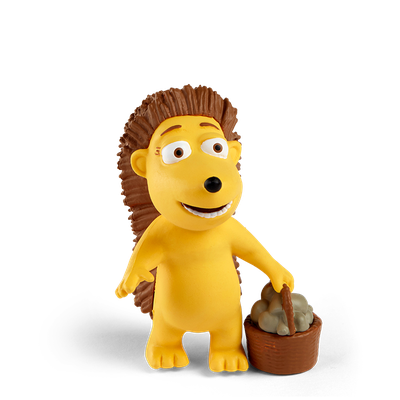
- The Origin: Released in 2017 during the early growth phase of the platform in Germany. This is Model 01-0044, a figure of Matilda the porcupine carrying her signature little basket.
- The Content Payload: This figure holds the second batch of animated television series audio adventures based on Ingo Siegner's massive children's book universe, running roughly 43 minutes across four specific story segments.
- The Collection Strategy: This exact release proved the brand could successfully spread a giant mainstream license across separate supporting characters, rather than piling twenty hours of audio onto a single primary hero figure.
The Quest Log
- The Franchise Blueprint: Splitting the Dragon's Horde
- Audio Architecture: Porting the Broadcast Mix to the Box
- The Companion Meta: Scaling through the Core Trio
The Franchise Blueprint: Splitting the Dragon's Horde
When you are a developer launching a physical audio platform, the easiest path is simple. You mold the main character, attach all the digital files to the cloud backend, list it on the store, and call it a day. But early on, the product team realized that deep lore requires a diversified physical footprint. You cannot just dump an entire universe onto one single plastic hero.
Instead of flooding the market with five identical variants of the main little red fire-dragon out of the gate, the designers leaned heavily into the core trio from the animated television adaptation. This figure serves as volume two of the TV series audio dramas. It is a textbook study in how to prevent consumer fatigue while filling out shelf real estate.
If you view your kids' toy collection like an optimized database or a well-stocked inventory screen, this physical separation of media files across distinct sidekick characters established a huge precedent for how massive entertainment properties get handled across the entire ecosystem later on.
Side Quest: The Translation Mechanics
If you are tracking down imported audio expansions, you have to look past the English retail names to find the original source files. Here is how the local terminology breaks down:
- Der kleine Drache Kokosnuss: The Little Dragon Coconut.
- Hörspiel zur TV-Serie: Audio drama adapted directly from the animated television series.
- Stachelschwein Matilda: Matilda the Porcupine. Side note: translation software and collectors who do not speak German constantly misidentify her as a hedgehog or "Igel," but she is 100 percent a porcupine.
The actual digital audio package contains four specific story arcs:
- Picknick mit Adele (Picnic with Adele)
- Volltreffer (Bullseye)
- Die Fressfalle (The Food Trap)
- Einmal und nie wieder (Once and Never Again)
The total running time lands right at 43 minutes. This uses a complete multi-cast production team with music and sound design, not just a lone narrator reading dry text from a physical paperback.
Audio Architecture: Porting the Broadcast Mix to the Box
Taking an audio mix engineered for modern multi-channel television screens and shoving it into a tiny 3-Watt mono speaker is a massive technical hurdle. The tracks on this figure were engineered by Random House Audio and Spotting Image Studios, meaning the original files are packed with dense environmental sound effects, full orchestral scores, and quickly shifting vocal pans.
In television production, the sound mixer can use visual animations to carry the story through quiet moments. When you pull away the screen entirely, the mixing style has to change completely. The studio team had to ensure that characters like Oskar the gourmet dragon, voiced with very specific comedic timing, and Matilda, with her fast-paced lines, stayed perfectly clean in the mid-range frequencies.
The mastering process actively clamps down on sharp high-end frequencies to prevent speaker distortion inside the small plastic speaker housing. At the same time, it pulls background ambiance forward so young ears can track the setting of the scene without needing an actual display to look at.
The Companion Meta: Scaling through the Core Trio
From a pure toy design perspective, this figure solidified the supporting cast framework. Instead of packing dozens of television episodes onto one single hero figure and slapping a massive premium price tag on it, the licensing framework distributes sequential story packs across different members of the adventuring party.
This layout serves three major design functions:
- Visual Database
- Kids instantly recognize which set of stories they are launching just by looking at the character shape sitting on top of the box.
- Matilda explicitly indicates the second block of TV adventures, keeping it visually distinct from the main dragon figures.
- Physical Durability
- The physical build relies on dense plastic molding with short, thick points for her quills.
- Unlike fragile action figures with thin joints, her arms are molded tight against her main body, keeping her center of mass low so she can survive high-impact drops onto oak floors without breaking apart.
- The Collecting Carousel
- It creates a tactile feedback loop.
- If your kid loves the friendship dynamic between the dragon, the porcupine, and the gourmet dragon, the physical bedroom shelf reflects that exact character party composition, turning an abstract menu screen selection into an interactive tabletop experience.
The Exit Interview
Golden Nugget
This figure proved that multi-volume television licenses could be distributed across a wider cast of supporting characters to create a highly scannable, visually unique physical playlist for young kids.
Rapid Fire FAQ
- Who is the character on this specific figure? It is Matilda, a resourceful porcupine who serves as one of the two best friends to the main hero.
- What is the source material for the audio? The audio features four standalone stories pulled straight from the animated television show, utilizing the official German voice cast and complete sound design files.
- What age group is this content mixed for? The official rating lists this for ages five and up due to the quick dialogue speeds and the sequential plot structures of the television episodes.
Next Step
When you are organizing your storage shelves for episodic media properties, place supporting figures side-by-side rather than sorting them strictly by production numbers. It lets toddlers pick out specific story blocks based on their favorite companion characters instead of guessing which volume is inside which figure.
Disclaimer
Our goal is absolute technical accuracy, but we are human and bugs happen in the code. We never intend to offend, insult, or attack anyone with our content. If you spot a bad data point or a broken fact, please report the post so we can patch it immediately. We are just a three-person squad running this site, managing the daily blog, and prepping the new forums. If you appreciate the grind and want to help us keep the lights on, consider buying us a coffee. It keeps our caffeine levels critical and the servers running.
Reference Log
- Official Tonies Product Page for Der kleine Drache Kokosnuss TV-Serie 02
- Retailer Catalog Specification Sheet for Boxine Model 01-0044
- Collector Database Entry for Tonie-Hörfiguren 01-0044